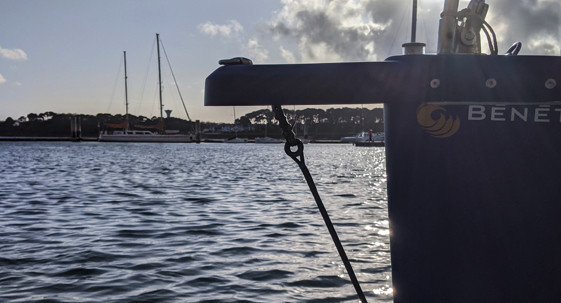
Damaged boat restoration: bringing a First 24 SE back to the racecourse.
At Dream Racer Boats, our experience in refitting sailboats led us naturally to open a division devoted entirely to damaged and salvage boats. Working alongside insurance companies, we take on vessels that have suffered serious damage: we assess whether they can realistically be brought back, buy them when it makes sense, and give them a true second life through a complete refit. This approach lets us save boats that might otherwise be written off as beyond repair, while backing a more sustainable way of working — one that puts repair and reuse ahead of replacement. The project below is a perfect example of that craft: the full rebuild of a badly damaged First 24 SE.
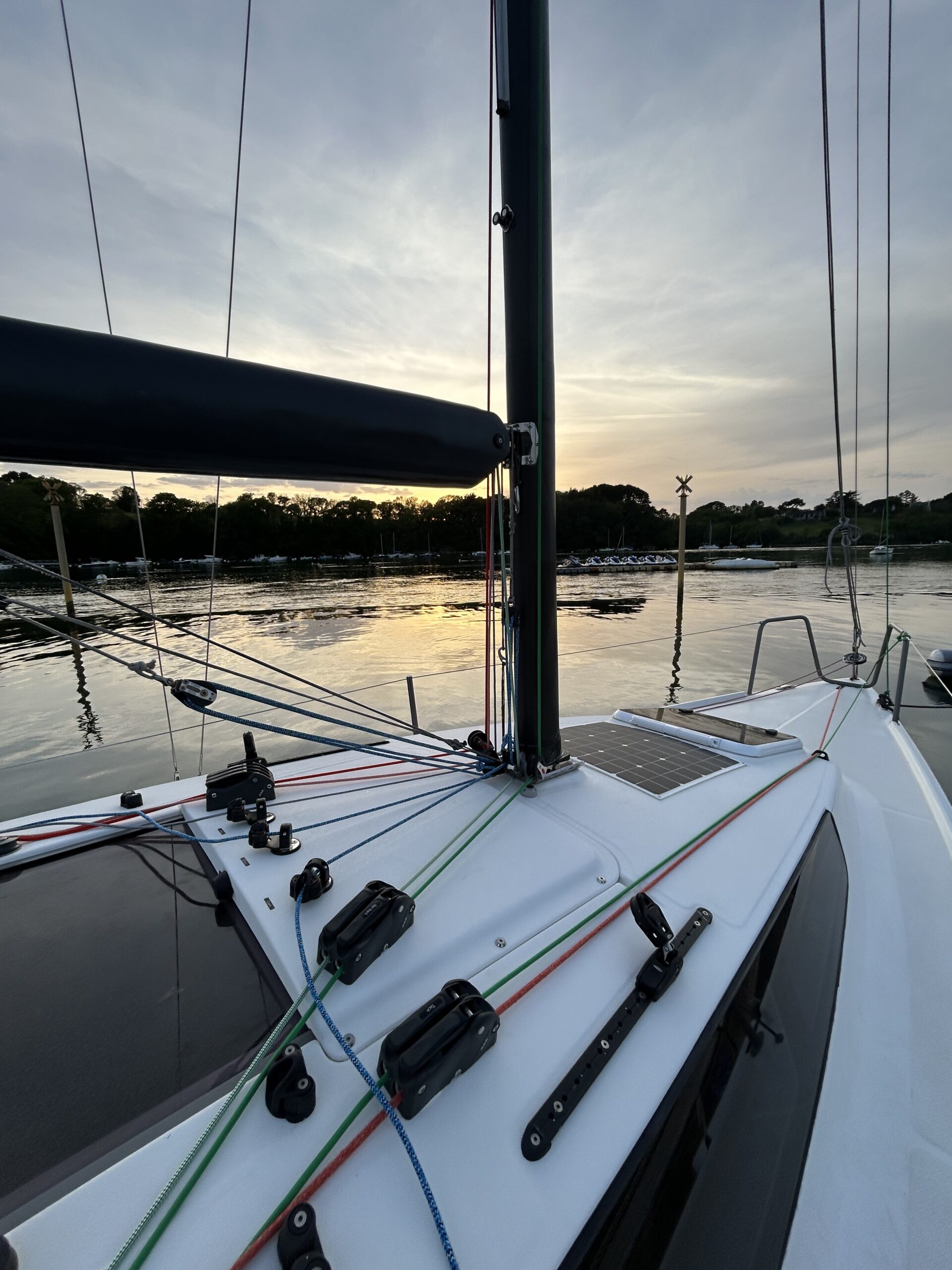
This winter, our refit department took delivery of a damaged Seascape First 24 SE.
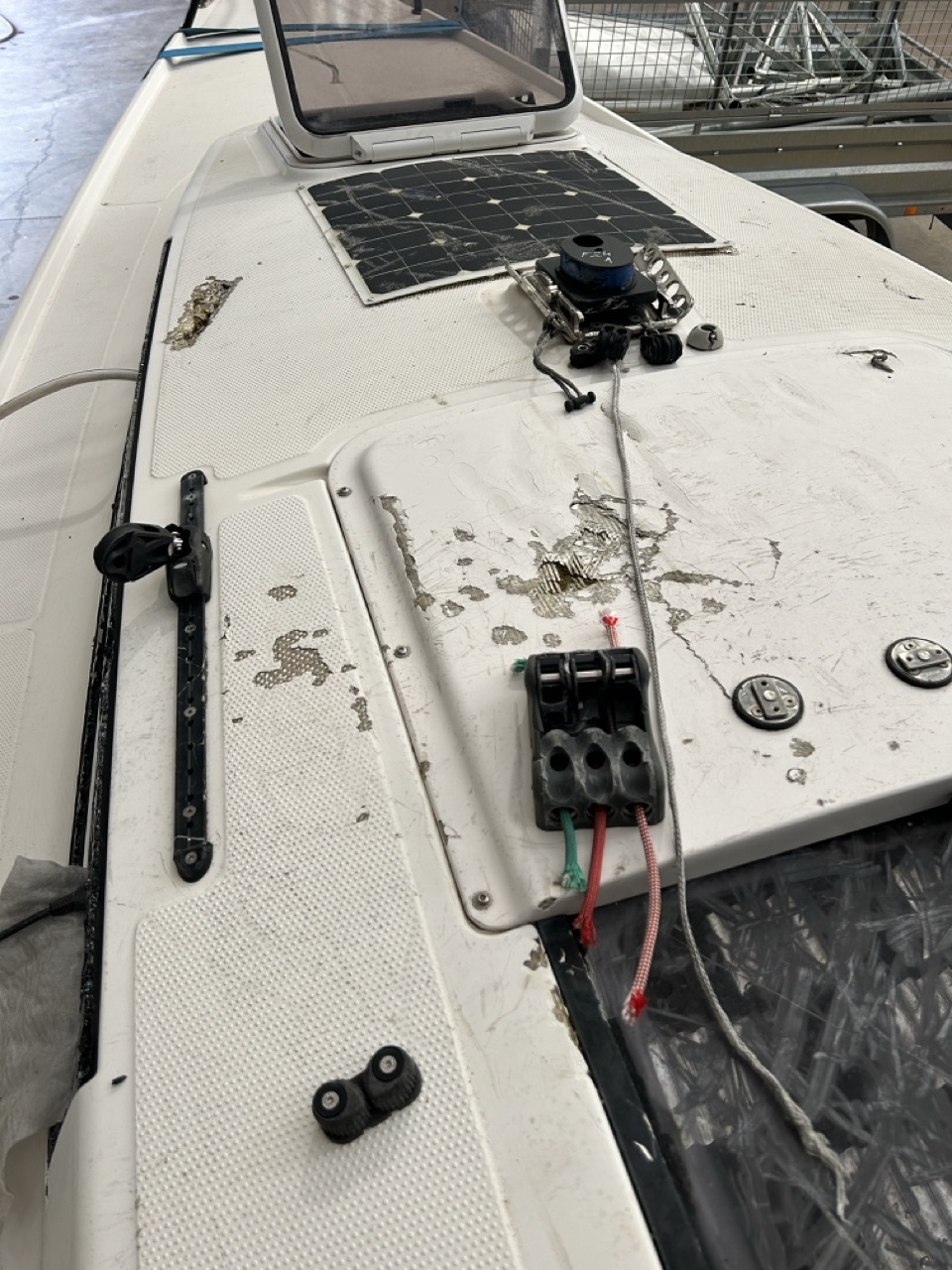
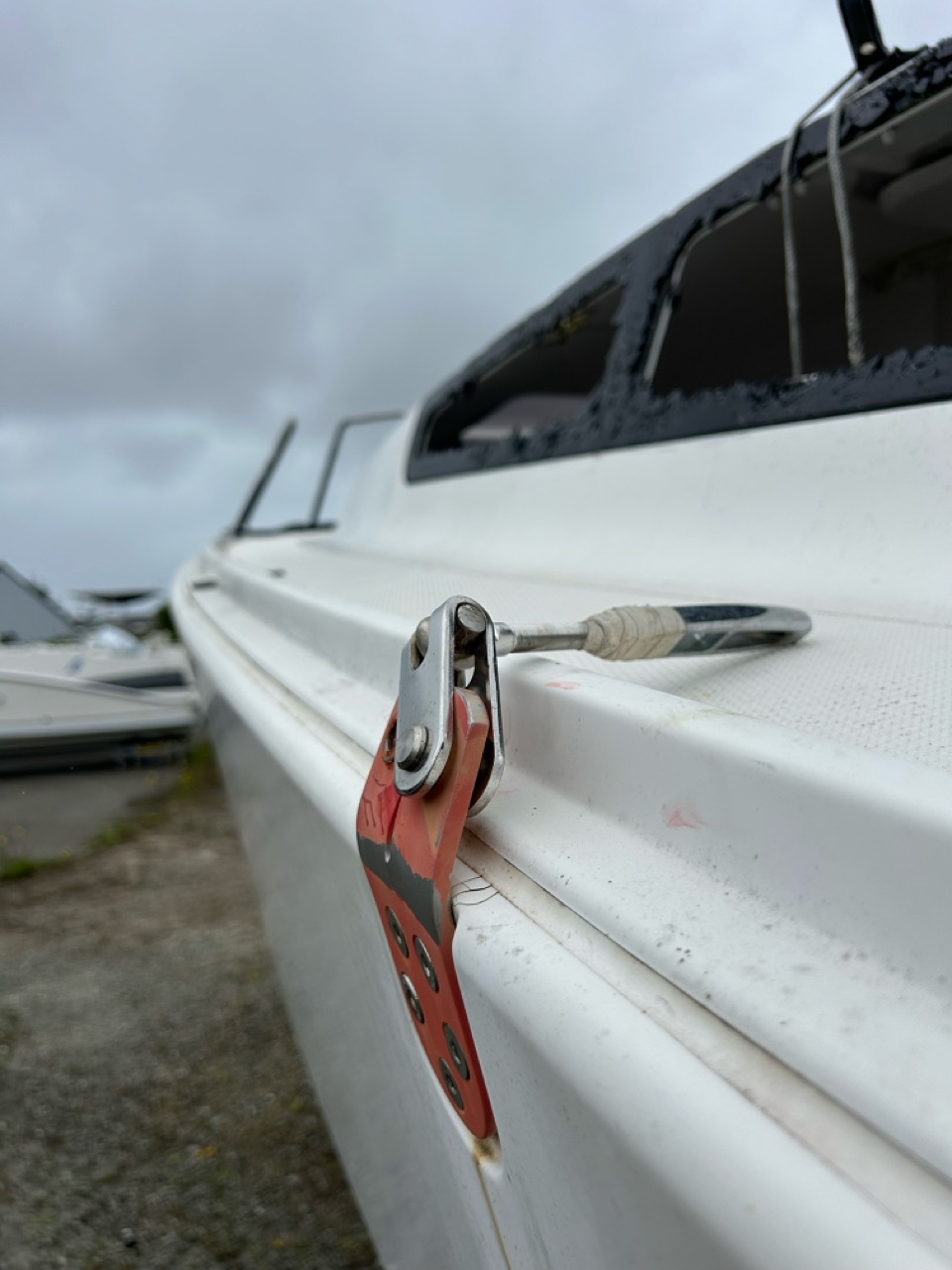
The boat had suffered heavy damage after a blow at anchor: she capsized, lost her rig, and sustained serious damage to the deck.
We bought the boat — a coastal and racing design — to give her a second life. Our goal was clear: bring her back to as-new condition and set her up for shorthanded performance sailing.
This project also gives us the chance to develop several technical innovations. These will soon be offered to First and Seascape owners.
In particular, we’re working on modular carbon interior fit-outs. These upgrades sharpen the performance of the SE (Sport Edition), which comes with a carbon rig. A future article will cover these developments in more detail.
A full strip-down to start from a clean slate
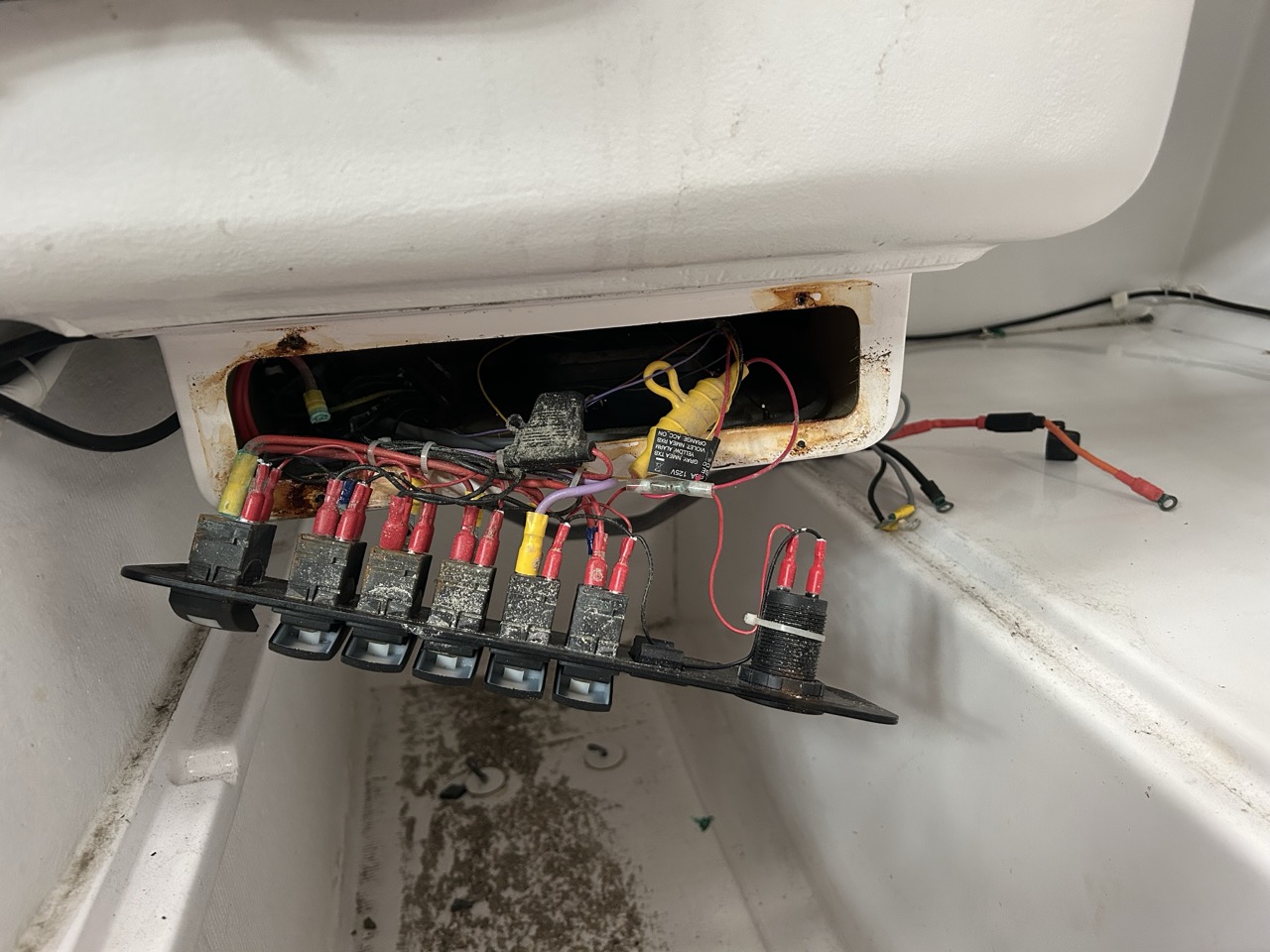
The first step was a complete teardown. Deck hardware, systems and electronics were all removed, followed by a thorough clean.
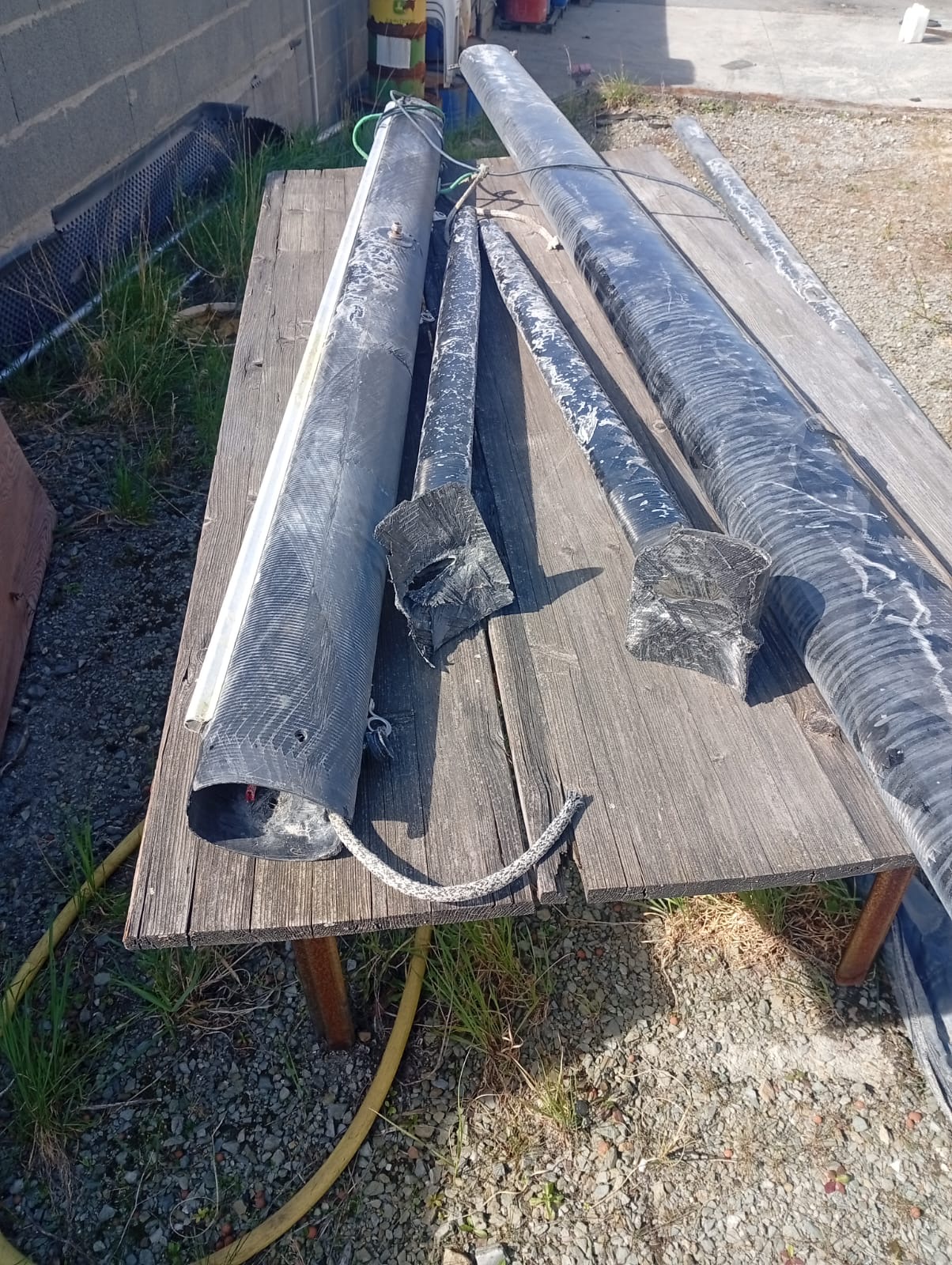
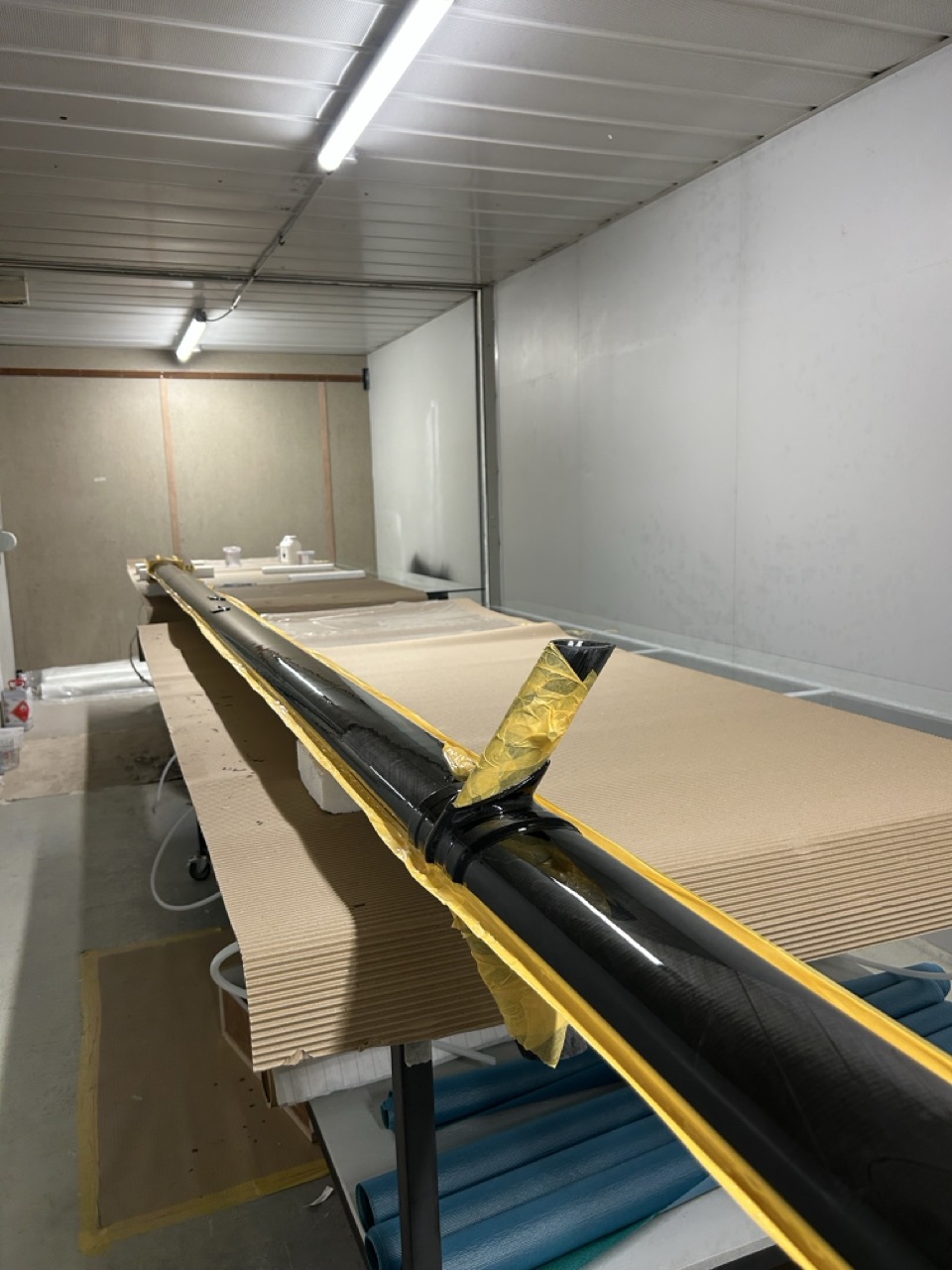
Composite work could then begin. In parallel, we started the refit of the rig.
From there, the project moved on to painting the deck, refurbishing the deck hardware, and fitting new electronics.
The boat now carries an autopilot, two B&G displays and a Raymarine screen.
Finally, we brought her back within her one-design class rules, so she can once again line up for regattas and sport-sailing events.
A high-performance, comfortable non-skid
Refitting a sailboat isn’t only about repair — it’s also a chance to improve certain technical details.
That’s why we applied our fine micro-grain non-skid. It delivers excellent grip while keeping surface roughness to a minimum.
The result is a more comfortable feel underfoot and greater safety on deck. Its even grain is also gentle on the crew.
This type of non-skid is widely used in offshore racing and on large performance yachts.
Reusing whatever can be reused
In a refit, the aim isn’t to completely transform the boat, nor to swap out every piece of equipment as a matter of course.
Instead, every reusable part is inspected, reconditioned and refitted on board. This keeps the boat’s technical consistency intact while cutting down on waste.
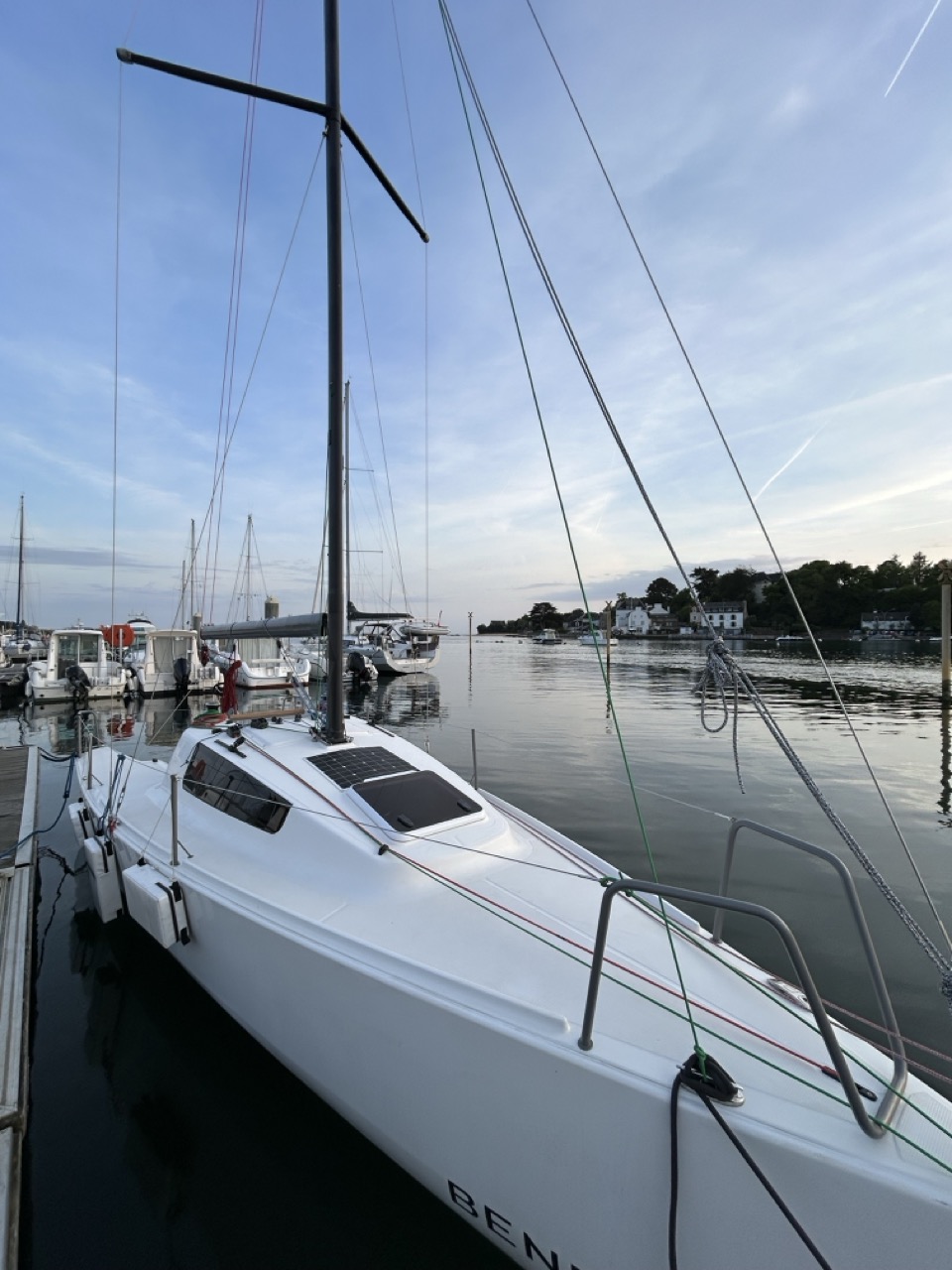
We also re-equipped this boat with reconditioned spare parts prepared in our workshop. The rig is a perfect example: bought second-hand with only a handful of outings on the clock, this carbon rig was brought back to its best through our exclusive carbon-rig reconditioning process. It’s a durable, cost-effective solution that combines performance, reliability and a second life for marine equipment.
Our work on damaged boats, in partnership with insurers, fits squarely within this sustainable, performance-driven approach.
First sails and product development
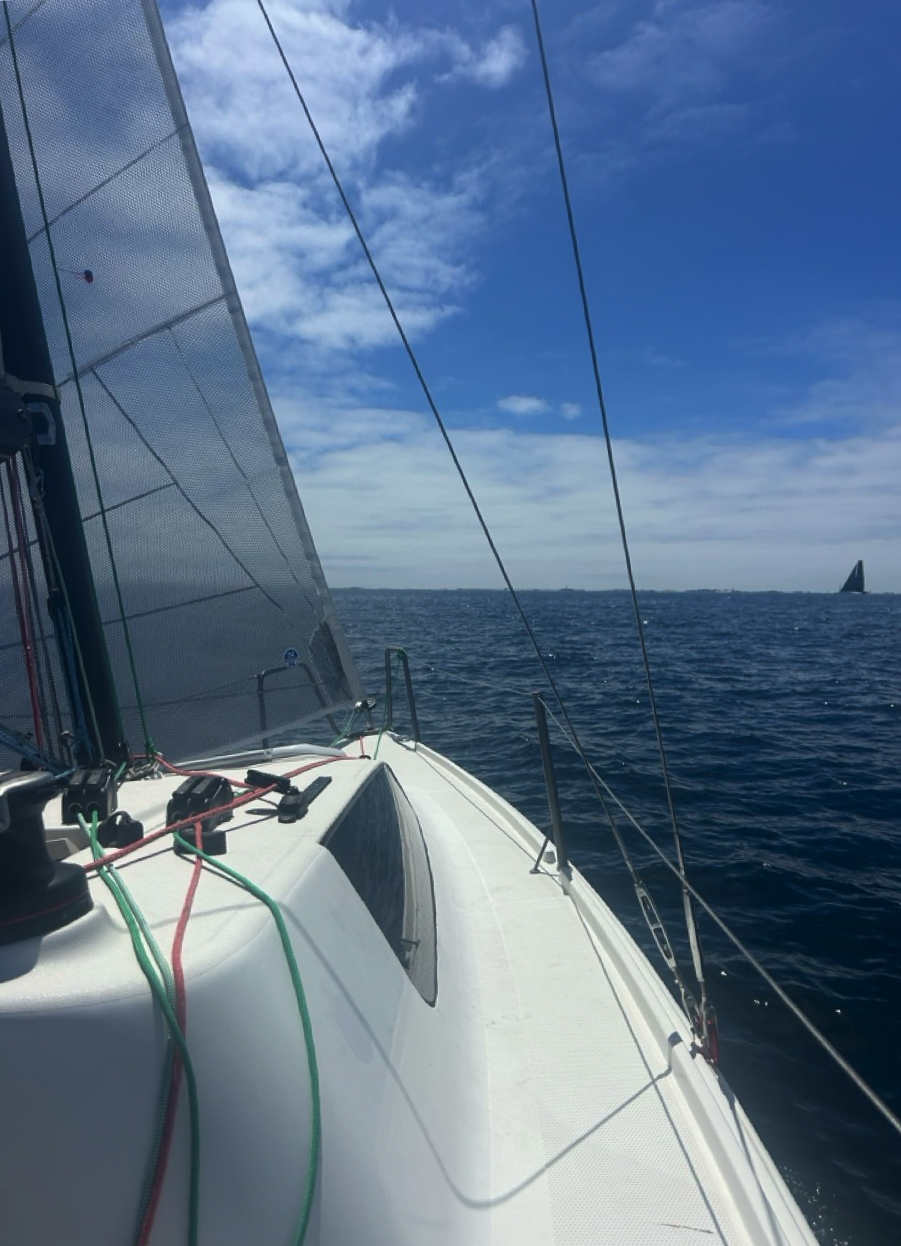
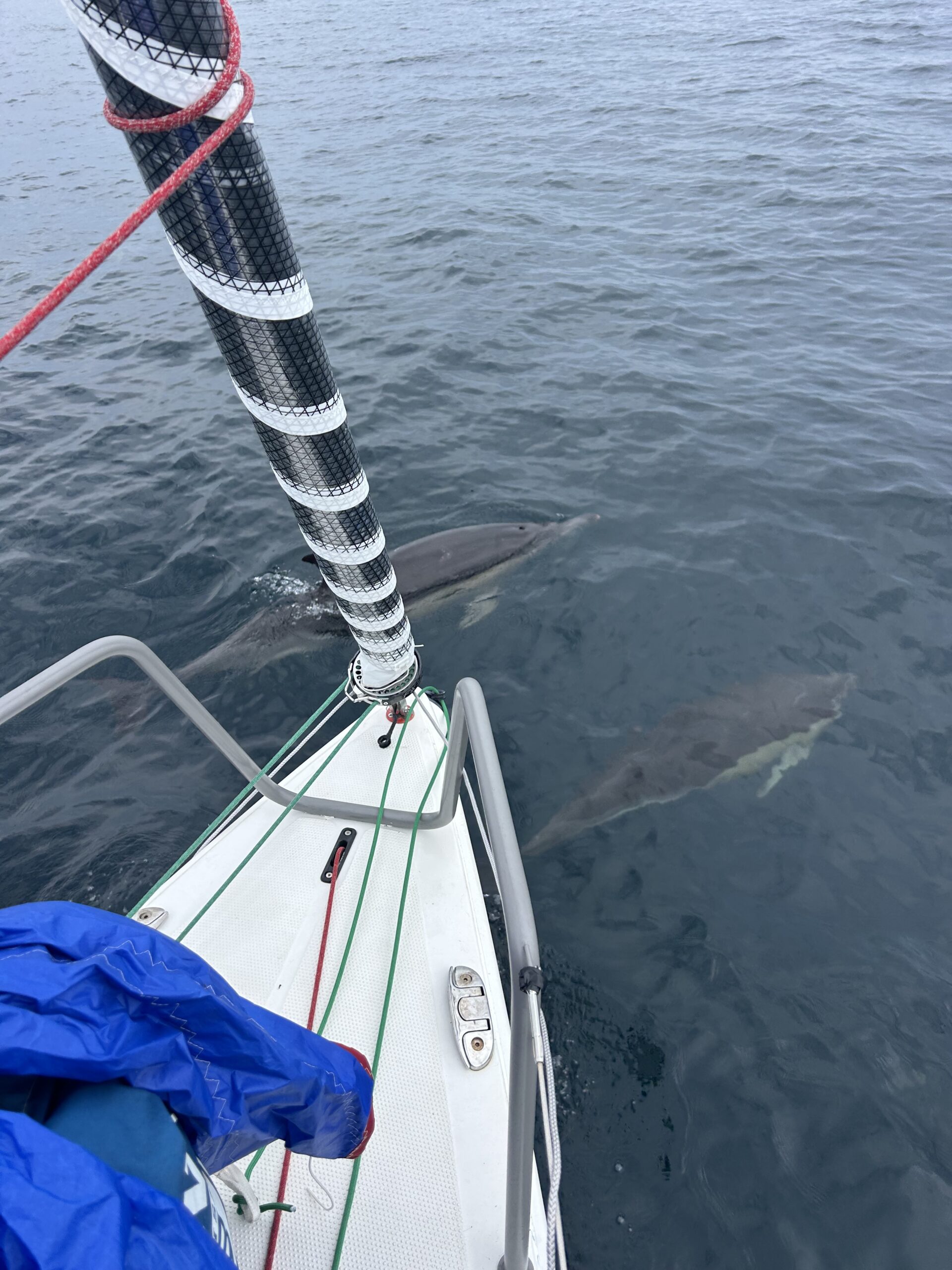
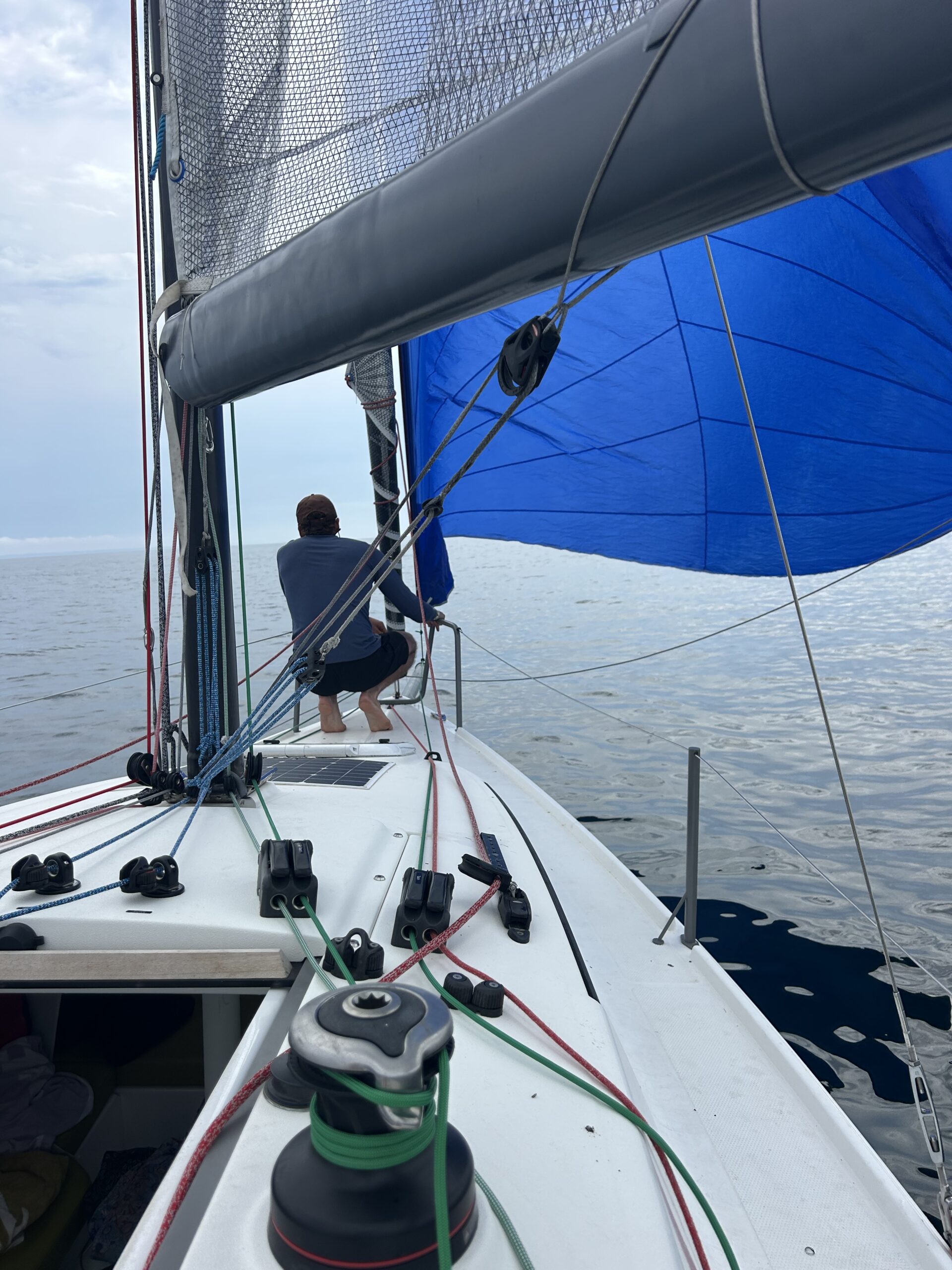
Those first outings help us understand how the boat behaves. They’re also essential for validating the technical choices made during the refit.
We stay in regular contact with owners and the existing user groups, too. This kind of real-world feedback is especially valuable.
It helps us spot new avenues for improvement in performance cruising and racing.
From there, we study new products, build prototypes, then move on to on-the-water testing. A number of keen owners are already taking part in these trials.
We look forward to sharing these new developments for racing yachts and performance sailing with you soon.